
Sovereign Spirits: How the 2026 Labour Laws Rebuilt the K-pop Image
On the 1st of January 2026, the K-pop industry went through one of its most structural reworks in a decade. The Ministry of Culture, Sports, and Tourism officially put into effect the Revised Standard Contracts for Popular Culture Artists, a legal structure created to eliminate the grey area of “slave contract” systems that have defined the previous generations of K-pop. Although the headlines focused on the financial transparency and clearer compensation timelines, the most important change isn’t in the bank statements of idols but in their eyes. We are watching the evolution of the Sovereign Artist, and for the first time in K-pop history, autonomy is now the industry’s most dominant new aesthetic.
The Death of the “Polished” Facade
Historically, the “idol” was the output of a curated perfection under old contractual responsibilities, agencies that exercised complete control over their personal and professional lives and identity. This resulted in a very glossy and untouchable facade but in the 2026 revisions have introduced a mandatory Statutory Duty of Care around the mental health and creative expression of artists, which states that agencies are legally responsible for providing comprehensive psychological support and most importantly are not allowed to exhibit “excessive behavioural control” that suffocate the artist’s individuality,
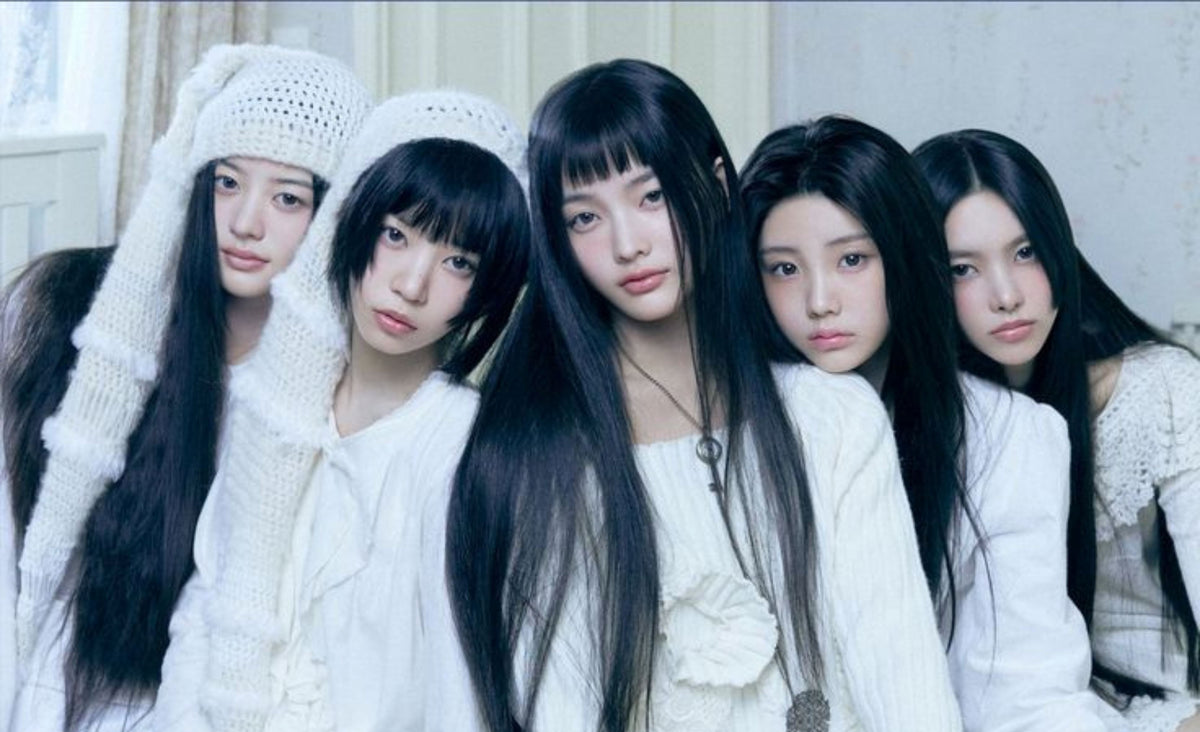
The result of this is a pivot towards Refined Minimalism. If you take a look at the most recent visual direction of 5th Generation groups like ILLIT or GIRLSET, the montage of hair colours and heavier and hyper-glamorous makeup of the 2020s are actively being replaced by organic and understated looks. By keeping makeup minimal and prioritising “natural features”, these groups are refreshingly demonstrating a new kind of brand that feels human, vulnerable and consented to.
The Sovereign Artist: Case Studies in Autonomy
The “Contractual Enlightenment” is the most visible in how artists are now reclaiming their voice and labour through Individual Brand Sovereignty. When Mark Lee used the new legal system to terminate his exclusive contract in April 2026, he wasn’t just switching agencies but using the expanded compensation transparency to make sure his decade of work was fully compensated. Consequently, the 2026 trend of “Modular Fashion” and “Brut Denim” – which are raw, unwashed and high-quality denim fabric – shows this dynamic shift towards a more unfiltered realness. In 2026, the most valued currency for an idol is their uniqueness and realness like “Cyber-Noir” concepts used by artists like ATEEZ or ZEROBASEONE, which is not just cool visuals but metaphors for how to navigate a digital-first landscape where an artist is fully in control of the core of their image.
Th “3-Year Itch” and the Financial Reset
One of the most radical shifts in the January revisions is Article 8, which states that damages for contract termination must be paid within a specific and tight window instead of a clear and reasonable period. This caused idols to pursue the “3-Year Itch” – the desire to pursue solo projects or independent labels much earlier in their careers. Agencies are no longer in control of artists’ entire existence and they are evolving to be service providers. We are seeing this in the current rise of the “Flexible Association” model, where artists are still their groups while managing their solo “Sovereignty” through independent creative agencies like QQQ or Ooak Records. This makes sure that the artist is no longer just a data point but a partner in the shared creative venture.
Success vs. Challenges: The Labour Gap
However, the Enlightenment is not universal yet, despite these reforms, many performers are still regarded as Independent Contractors rather than employees, which limits their access to collective bargaining and minimum wage protections. The power imbalance that still remains, specifically for “Nugu” groups from smaller agencies who might not have the legal resources to implement the new standard contracts. Ensuring that “Autonomy” is not just a luxury for the top 1% of idols is the challenger for the industry in 2026. For the “Contractual Enlightenment” to exist, it has to reach the trainees in the basement just as much as it reaches headliners at Coachella.
The Final Take
As we continue to look at the high-contrast and “grainy” world-building of 2026, it is evident that the K-pop industry is starting to move away from the idea of a perfectly curated “dream” and is becoming more interested in the “sovereign” reality of idols. The labour revisions in 2026 have given the new generation a legal paper on which they can start writing their own manifesto.
We can now believe that the most cinematic moment of an idol’s career is not just their debut but the moment they realise they have rights to their own story. Autonomy is no longer regarded as rebellion but is the only way to survive the forever evolving music industry.
Leave a Reply