
The New Global Rhythm: Deconstructing the Desi and Punjabi Pop Takeover
The rhythmic pulse of South Asian music for generations was structurally encapsulated in its geographic roots. Punjabi pop and Desi music were used at local weddings to celebrate, to enhance cinematic subplots, or for highly specific cultural exports created for the vast South Asian population, however as we continue through mid-2026, the barriers of global pop have been thoroughly reconstructed. The unique and powerful trends of Punjabi pop and the melodic distinctness of Desi music have expanded from their domestic landscape and successfully launched in Western mainstream charts.
This is not merely a temporary viral or internet-born trend, it is a significant structural crossover. South Asian artists do not have to fight for small and ethnic-category sub-stages, they are currently gaining massive and multi-million-dollar stadium venues across North America and Europe. This forces the Western music industry to take note that the next international sound wave will not be sung in English.
The Chemistry of the Hybrid Sound
The powerhouse pushing this market crossover is the thunderous wave of cross-cultural hybridity. The modern artists of the Desi and Punjabi pop movement are not trying to minimise their sonic heritage to fit Western pop sound, rather they are intensely extending the parameters of pop production. They are easily mixing traditional dhol beats, classical harmonium progressions, and South Asian vocal styles with Western hip-hop aesthetics, heavy trap basslines, and electronic synth pads.
This combination cultivates a sound that is incredibly textured, heavy, and ready for the clubs. When artists mix the incredible vocal delivery of traditional Punjabi folk poetry with a rolling and distorted 808 trap bassline, the product song commands space just as easily in a nightclub in London or Los Angeles as it would in New Delhi. Their local sound is a premium foundational element for modern urban music. This demonstrates that they are developing a cross-cultural bridge where they have managed to capture global audiences and made them dance to a language they might not even understand. This is because of the powerful energy they have in their performances and music that builds an undeniable connection with their international fans.
International Stardom Infrastructure
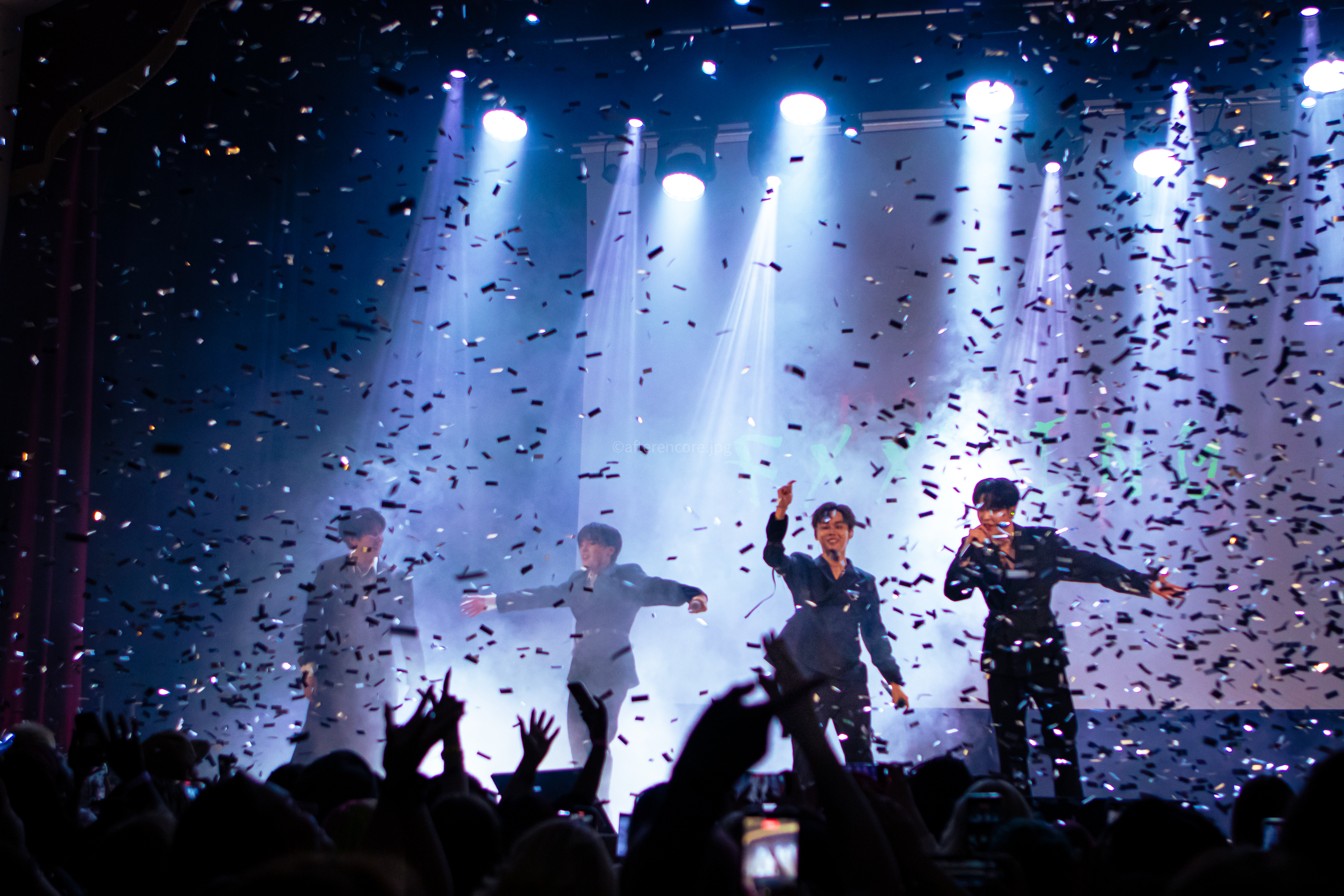
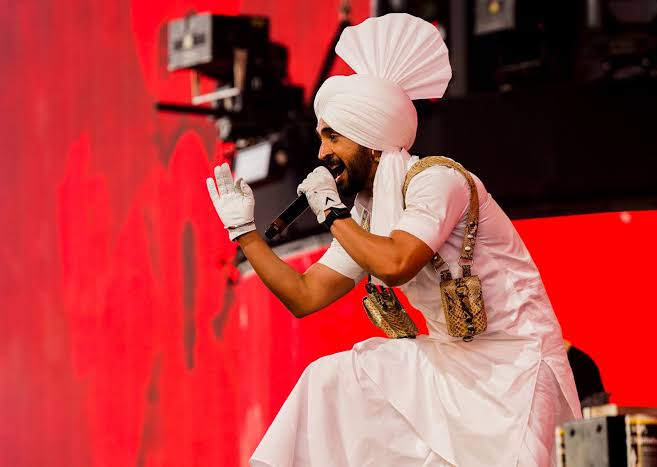
For us to appreciate the sheer scale of this crossover, we have to examine past the streaming metrics and look at the live performance infrastructure being dominated by South Asian artists. The era in which Desi talent was confined to small community halls or culture-centric night markets is over. Presently, significant Punjabi and Desi pop acts are making their marks and commanding the same expansive and arena-sized global tours and stadium venues usually restricted for top-tier Western pop icons.
This structural success is surprisingly supported by the changing demographics of international media platforms. Major streaming networks and global festivals developers are proactively reconstructing their programming to provide premium spaces to South Asian artists, understanding that their consumer base is both financially powerful and highly engaged. The cross-border movement has been rapidly influenced by the strategic collaborations between prominent Desi artists and leading Western hip-hop acts. These collaborations demonstrate important cultural ventures that introduce massive urban music fanbases to the addictive and astonishing rhythms of South Asian pop. By claiming creative autonomy and owning their masters through independent distribution lines, they are determining the infrastructure of how to enter a foreign market without losing your spark.
The Longevity of the Wave
The quick success of the South Asian wave is a huge victory for independent cultural representation on the international stage. It demonstrates that authenticity and non-Western storytelling can have the ability to be the pinnacle of commercial music. The maintenance of this momentum goes beyond presenting clear structural challenges. As Western labels are currently scrambling to sign any emerging Punjabi and Desi talent, the risk of corporate sanitisation remains high.
The industry has to ensure that the raw and gritty edge that makes this movement so subversive is not watered down by massive corporate production systems that look for any predictable “viral formula.” For this crossover and future crossovers to succeed, artists need to continue building independent data infrastructures, owning their digital fan connection directly, instead of entire reliance on the transitioning algorithms of Western-dominated distribution channels.
Final Thoughts on this Cross-border Collaboration
The Desi and Punjabi pop crossover is an amazing reminder that the future of music is not controlled by Western standards. The industry’s old Eurocentric ways no longer have the control to determine what an international superstar looks like or sounds like. South Asians’ ability to use their unfiltered, heavy, and deeply intentional local sound to build a global empire. They did not wait for the table of Western pop to invite them to sit, instead they brought their local sound and stole the entire stage.
Leave a Reply