
Blending aggressive rock and metal with the striking visual influence of Japanese Visual Kei, Chaidura is an artist driven by sound and storytelling. With a theatrical and emotional style, his work explores themes of identity, self-perception, and the pressures that shape how we see ourselves.
At the centre of his recent release ‘Plastic Beauty’ is a commentary on appearance and self-worth, reflecting a wider narrative of self-acceptance. In this conversation with The Chord Chat, Chaidura opens up about his creative process, visual influences, and bringing these themes to life through both music and performance.
TCC : How would you introduce yourself and your sound?
Hello! My name is Chaidura. I make rock and metal music that is heavily inspired by Japanese Visual Kei. I would describe my sound as both aggressive and emotional at the same time.
TCC : What inspired you to create “Plastic Beauty”?
Growing up in Asia, I think I became sensitized to how much value is placed on looks. It’s important in the West, of course, but I can say with certainty that in Asia, it is on a whole other level. It has always bothered me that people are valued more for their appearance than for who they are as human beings. The Liminal EP is all about self-acceptance, so when I was writing it, I naturally thought about the areas where people find it hardest to accept themselves. Appearance was a natural topic to tackle.
TCC : What does the concept of being “beautifully human” mean to you?
Basically, it means trying not to be an asshole! I feel like sometimes ‘good-looking’ people can get away with things that others can’t, and as a result, they can become cold. I think it’s an ideal to strive for everyone to be a nice person, but at the very least, just don’t be a bad person. I’d rather spend time working on my character than working on plastic surgery.
TCC : What is the story behind the music video and the masked figures?
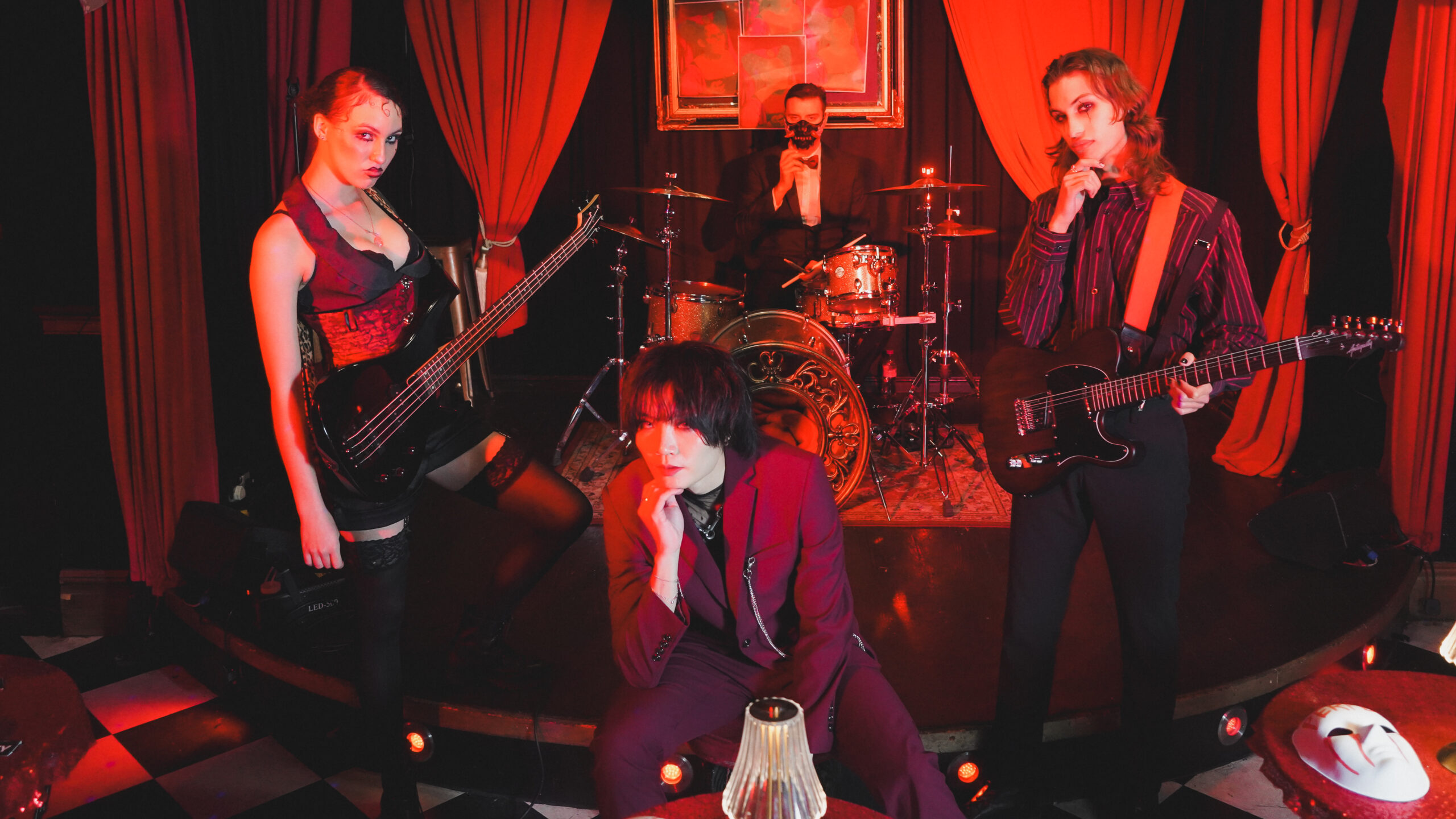
The story focuses on the protagonist, Valentine, and her doubts about her appearance. She resorts to the ‘Plastic Beauty’ treatment—a metaphor for surgery—but we see a deformed face at the end. Despite the deformity, the audience goes crazy for it. Each mask represents an ‘ideal’ state that people want to achieve through surgery. To me, these are little emotions and figures being manifested on camera via the masks.
TCC : What draws you to the Visual Kei style?
I grew up listening to Visual Kei; it’s one of the main genres that really moved me as a kid. It’s a part of who I am now. While I wouldn’t consider myself 100% Visual Kei, the visual element is vital to me. I can’t really see myself making music if there aren’t visuals attached to it; the two are interdependent.
TCC : Does the use of the color red represent anything?
Yes. Red is the color of passion and the color of beauty—think of lipstick and things like that. I thought red would be a perfect representation of the song. It also helps that I have a pretty cool maroon suit!
TCC : How do you translate themes like identity and belonging into your music?
That’s the million-dollar question! I’m not always sure if I’m doing it ‘correctly,’ but that is definitely the intention behind my art. The easiest way to translate these themes is through the lyrics, but I hope the visuals and music move people in a way that helps them accept themselves. My music is quite expressive, and I think it takes an expressive medium to truly acknowledge subjects like identity and belonging.
TCC : How has your sound developed, and where is it heading? Honestly, my sound has jumped all over the place! I had a phase last year where I tried more pop-oriented music, but I’ve come back to metal and rock this year. Who knows where it will head next? I do know that rock and metal will always be the foundation.
TCC : Why should fans come and experience the show live?
Firstly, I don’t feel a song is ‘complete’ until I perform it in front of an audience. To experience the songs fully, you have to be there. Secondly, we’ll be playing a very long set—between 75 and 90 minutes—so there is a lot to enjoy. Thirdly, it’s about community. Many of my fans are very similar, and it’s hard to find that sense of community these days. I hope fans can meet each other at the show.
TCC : What can fans expect in terms of atmosphere?
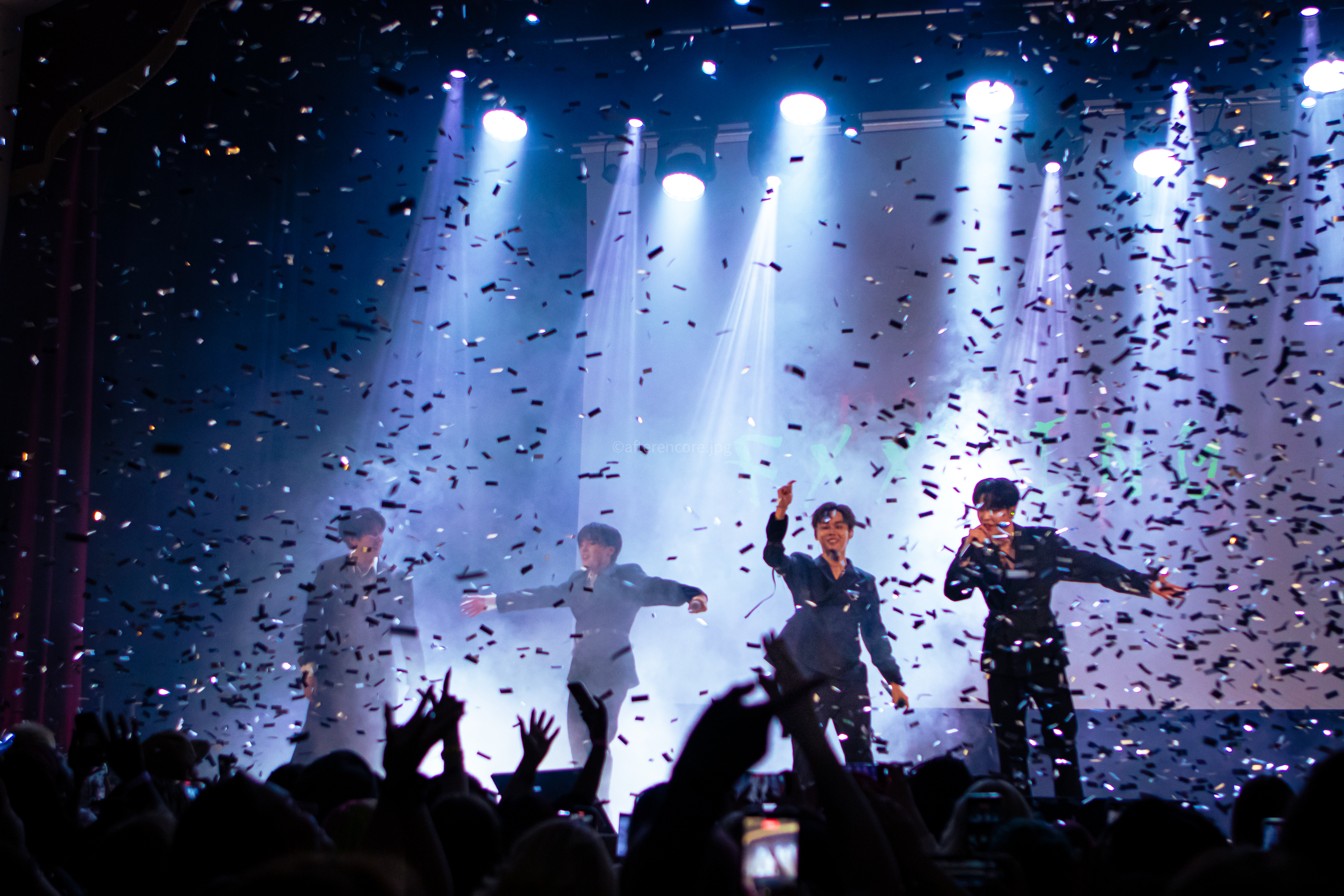
The live shows are quite ‘bipolar’ in a way. The first half is more serious and atmospheric—you’ll see more theatrical performances. The second half focuses more on audience participation; it’s fun, and everyone has a good time. There are a lot of emotions to experience, but ultimately, I want people to have fun and a night to remember.
TCC : What do you hope people take away from your music?
I hope people become more introspective about who they are and what they like. To me, self-acceptance and being comfortable with yourself are essential to becoming a complete human being. I know that’s a big goal, but that’s truly what I want to communicate. At the very least, I just want them to enjoy themselves.
Studio or stage?
Stage
Favourite lyric from Plastic Beauty?
“Why do you not see that you are more than what they say?”
One word to describe your current era: Vogue
Artist that inspires you the most right now? Nelson Riddle
Song you’re most excited to perform live? Flower
3 words to describe your music: Aggressive, emotional, chaotic
Through both his music and visuals, Chaidura continues to carve out a distinct artistic identity. His ability to translate complex themes such as self-image and belonging into expressive, immersive work highlights both his creative vision and his commitment to authenticity.
With a live show that promises both theatrical depth and high-energy audience connection, Chaidura’s artistry extends far beyond the studio. As he continues to evolve, his focus remains clear: creating music that not only resonates, but encourages listeners to reflect, connect, and ultimately embrace themselves.
Leave a Reply