
The Corporate Survival Pact: Analysing the Big 4 Monopoly
On 16 April, 2026, the competitive walls of the “Big 4” agencies, HYBE, SM, YG, and JYP, didn’t just fracture, they were intentionally dismantled. The announcement of Fanomenon, a massive partnership venture aimed at developing a global festival circuit to rival Coachella, demonstrates the end of the “Rivalry Era” and the birth of a K-pop Monopoly. However, as these corporate giants pool their resources to challenge the global stage. We have to ask: At what point does the “Korean Wave” stop being a cultural movement and start being a corporate survival pact?
The Survival Strategy: Why Now?
The timing of Fanomenon is not an accident, it is a direct response to the 2026 Domestic Slowdown. For the first time in 10 years, physical album sales in South Korea have hit a saturation point, with Q1 2026 data showing a continued decline in the bulk-buying culture that once fueled the industry’s astonishing growth. The domestic market has stopped being the “core driver” of growth and is now one of the many territories.
Fanomenon is the “Big 4” acknowledging that they cannot afford to compete for a shrinking local audience. By creating a public-private partnership with the government’s Committee on Exchange and Support for Popular Culture, they are changing their focus completely to the Global Festival Circuit. This is a strategic jump from “owning the charts” to “owning the infrastructure.” They are not just selling music anymore but they are selling a unified and government-backed “K-Culture” experience.
The Monopoly on Fandom
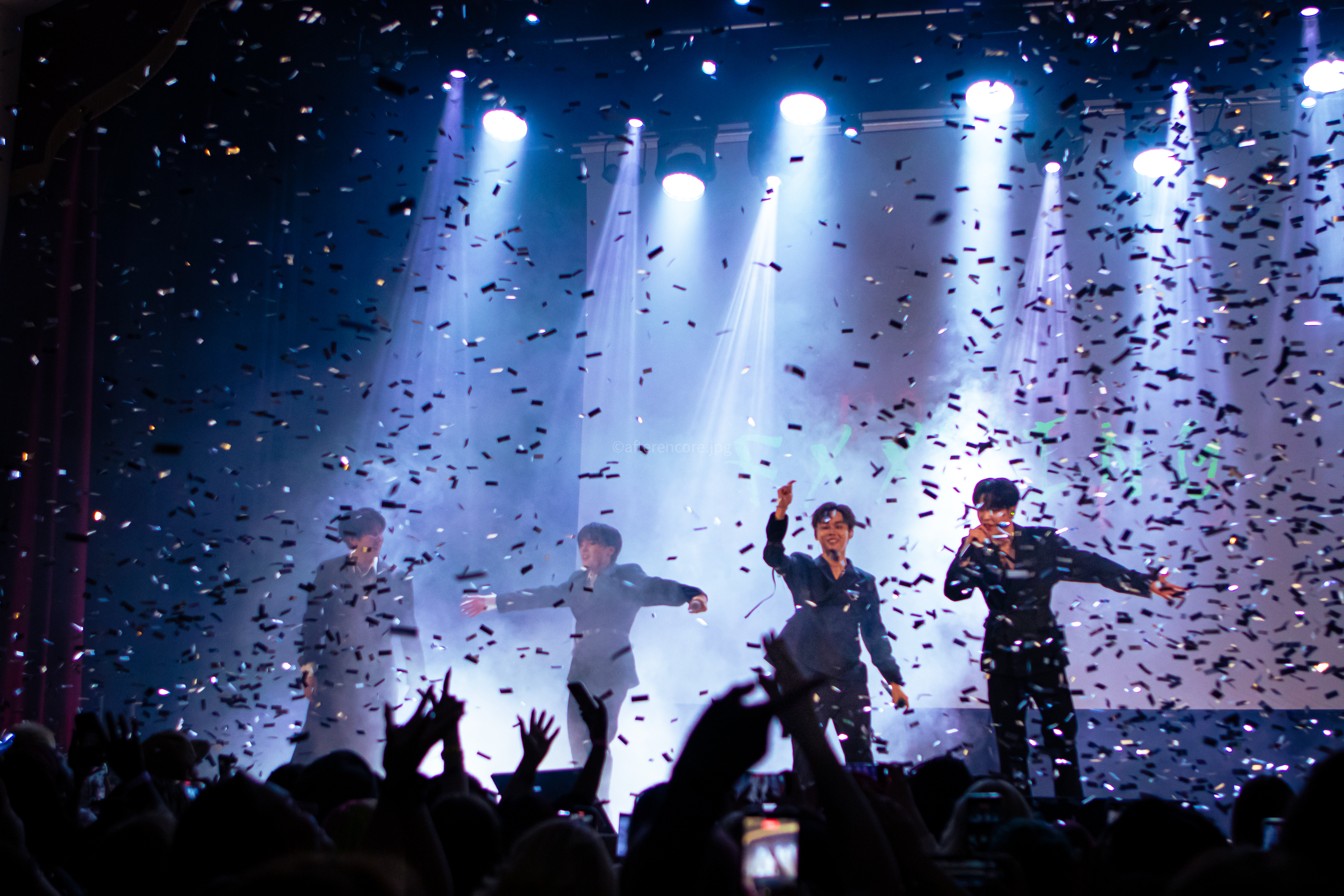
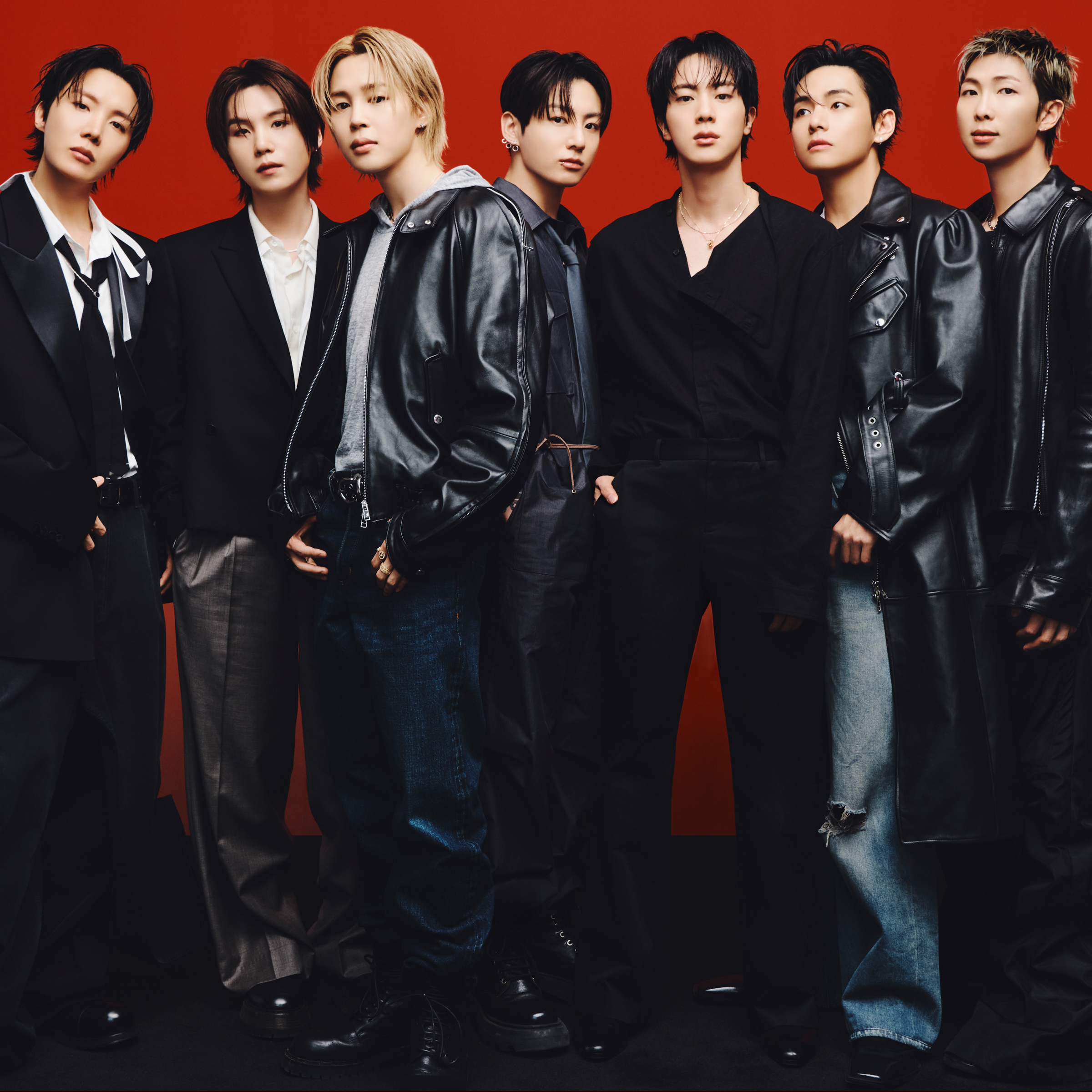
The term “Fanomenon”, a portmanteau of fan and phenomenon, is evident. It suggests that the most important asset in 2026 is not the artist, but the data and purchasing power that the global fandom has. By equalising their stakes in this partnership, the Big 4 are essentially developing a walled garden. If you want to see the biggest acts in the world, BTS, BLACKPINK, Stray Kids, or aespa, on one stage, you have to enter the Fanomenon ecosystem.
This decision is a massive threat to the “Asian Alternative” and “K-Indie” scenes. When four companies decide to control the world’s biggest K-pop festival circuit, who gets the “Sub-Stage” slots? If history is any indicator, these slots will probably be reserved for junior groups from the same four agencies, effectively suffocating independent agencies and artists who do not have the corporate leverage to buy their way onto the Fanomenon roster.
The “Coachella” Comparison
The project’s architects, led by JYP’s Park Jin-young, have been quite vocal about their goal: To surpass the $1 billion economic impact of Coachella. However, Coachella’s strength lies in its diverse curation and its ability to be a space where a “niche” artist can become a superstar overnight. Fanomenon, by comparison, is created on selective dominance. It is more of a celebration of the “Big 4” catalog and curated by the “Big 4” for the “Big 4”.
The challenge here is Creative Dilution. In the push to align releases with the U.S. Friday tracking system and global festival seasons, we are now seeing “K-pop” lose its distinct and chaotic edge. It is currently being polished, sanitised, and westernised as a “Global Pop” product that fits perfectly onto a California festival stage but risks losing the “Korean” soul that made it a phenomenon in the first place.
The Economic Gamble
Economically, Fanomenon is a major gamechanger, and will undoubtedly boost tourism and provide a massive money injection into the South Korean creative sector. It will also provide a stable platform for 5th Generation groups to gain massive international exposure without the risky and expensive solo tours of the past.
The risk, however, is the “Fandom Fatigue.” As the industry’s definition of success changes towards “globally sustainable landscapes” and “touring revenue,” the financial burden on fans will continue to rise. Currently, we are already seeing an increase in K-pop group merch globally, affecting fans’ ability to even buy the merch or support their idols. If Fanomenon becomes a recurring global tour starting in 2028, will fans have the “spending ability” to keep up with the rising ticket sales of a four-agency monopoly?
The Final Take
As we look forward to the 2027 debut of Fanomenon, the industry is at a crucial turning point. We are shifting away from the era of “Individual Corporate Action” towards “Industry-Wide Corporation”. While this might save the balance sheets of the Big 4, it leaves a hollow space where “alternative” and “indie” usually thrive.
We should believe that a phenomenon is something that happens naturally and is influenced by the passion of the fans, however, when that phenomenon is scheduled, trademarked, and filed with the Fair Trade Commission, it is not a movement anymore but a product. The question for 2026 is not whether K-pop can survive but whether it can still be subversive when it is run by a committee.
Leave a Reply